Airbrush Art from Frank Gavere, MFA
About Frank Gavere, Contemporary Airbrush Artist
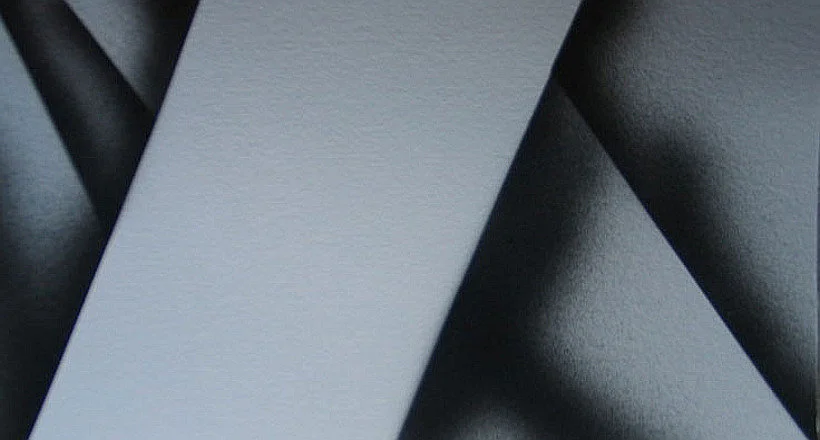
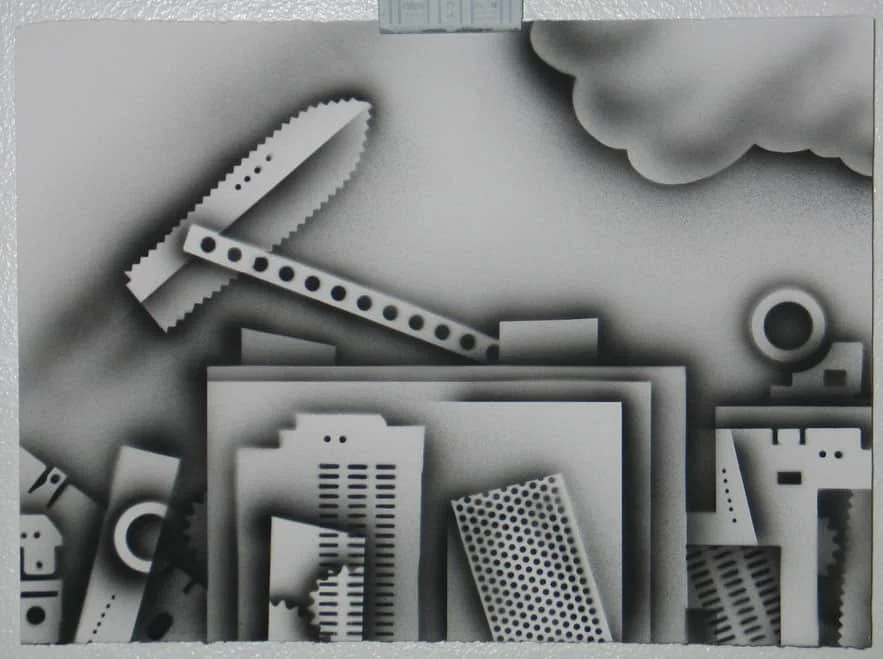
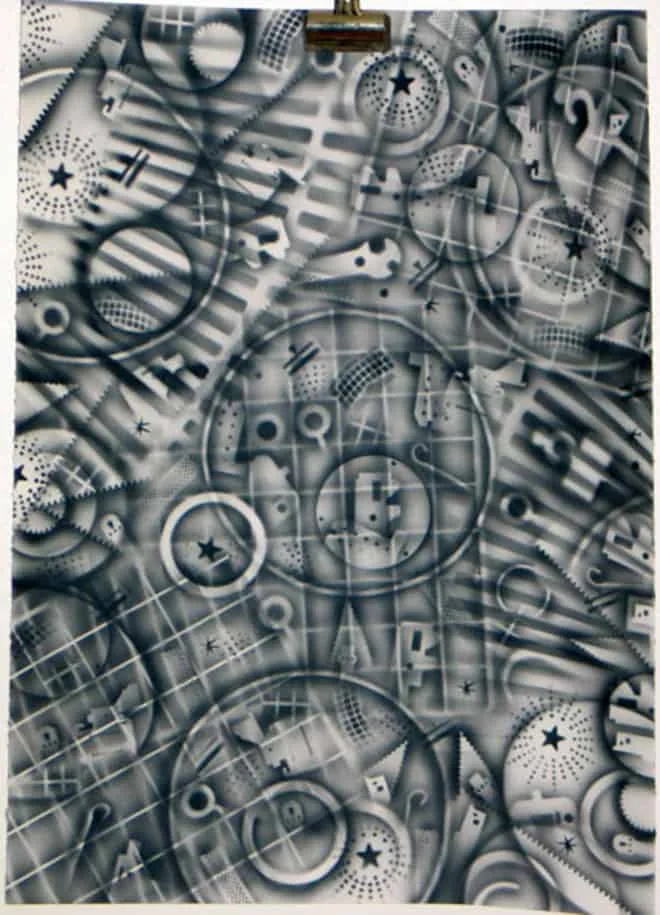
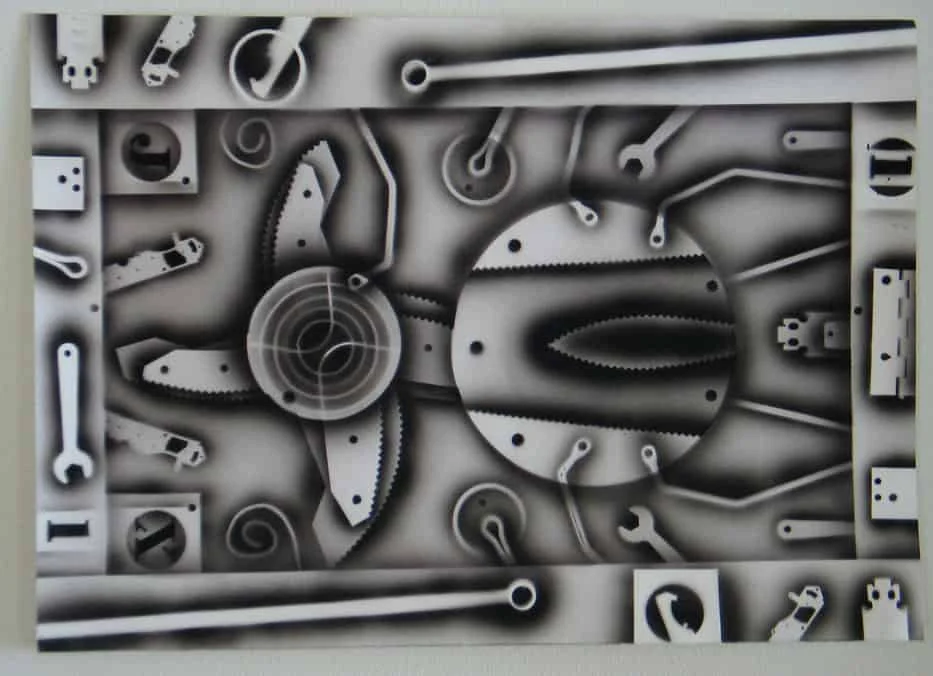
Today I’m presenting to you an airbrush artist with not that usual airbrush painting techniques. Forget about skulls and fire for a moment, forget about getting realistic and dive into Contemporary Art. This is Frank Gavere, his airbrush art and also his story.
I was born in Minnesota. My father was a die toolmaker, inventor, designer, and process engineer.
I began to paint at age of 8 and just planned to be a lifelong artist. My first shows were in empty buildings my adult friends owned (I was in High School at that time).
Frank Gavere’s Artistic Journey
Early Training and First Airbrush Experience
I had learned photographic processes, mostly by reading and hanging out. After graduating High School I studied in Chicago and then moved to NYC (1967). I studied at Art Students league, met some artists and continued to learn.
Two of my artist friends did airbrush in their works. I guess I got my first airbrush in the early 1970’s. Most of my work was post surrealist but I was experimental. One of the first airbrushes was Iwata HPBC. I used it mostly with handmade sumi ink, a Carbon Black. In the mid 70’s I began building small assemblages, which was a 3D sculptural activity. I married a fashion designer and decided I’d finish a degree to teach art and I did.
Also I did a lot of film photography, some collages and more 3D assemblages. The airbrush was used outside; I had the compressor in the attic and an airline on the porch.
Teaching and Professional Development
I taught for 23 years and eventually worked at a university school, where I did the arts programming for the 2nd grade for multiply handicapped students. My program had photography, woodworking, metals, and ceramics, as well as art projects. I enjoyed working with students and we had a great program. In the meantime, as part of my professional development, I studied metalworking and jewelry.
MFA Program and Contemporary Airbrush Painting
But school became too restrictive environment as my assignment was changed to preschool students and 23 classes a week. I went to graduate again and got another degree. In that MFA program I started painting with air-guns because I could do larger works and explore my ideas efficiently.
I painted on paper. The usual student does 6 paintings a semester; I bought a 100 sheet package, which I thought would last me through the 2 year program. It lasted a month. I experimented with whatever I thought would make an interesting image.
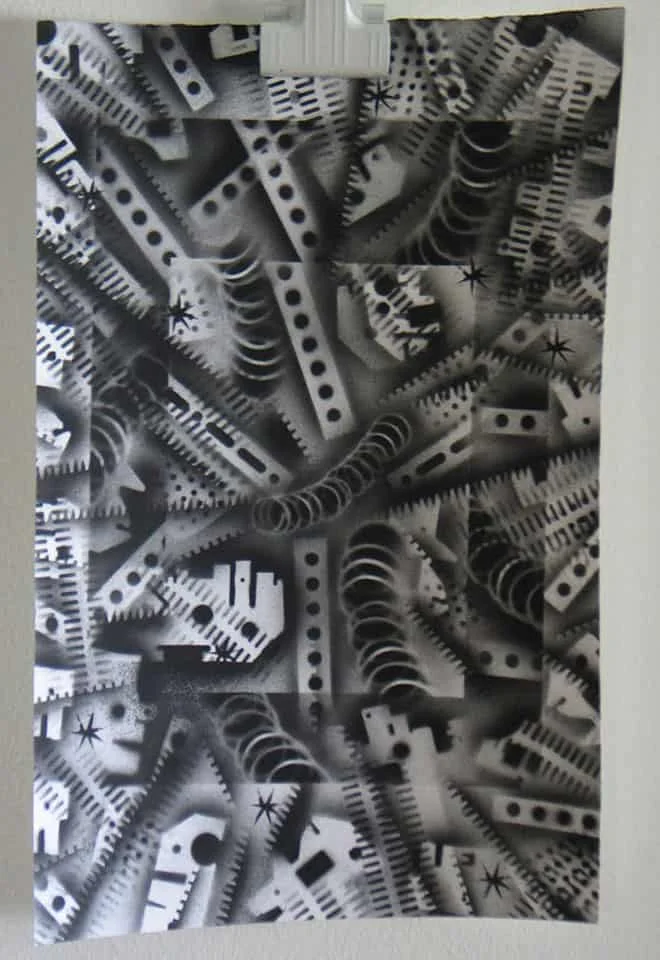
I made Modular pieces and works from half sheets to many sheets.
In 2009 I did my first website.
Current Practice and Studio Work
These days I work on my ideas in paint sessions which are 3 hours. I work at a steady rate, 1 or 2 sessions a day. It’s just about precision and quality and making my best work. I work outside very often; and the stray cats do visit me ;). Usually I paint 2 or 3 days a week. In a terrible weather I build assemblages but I’m always drawing.
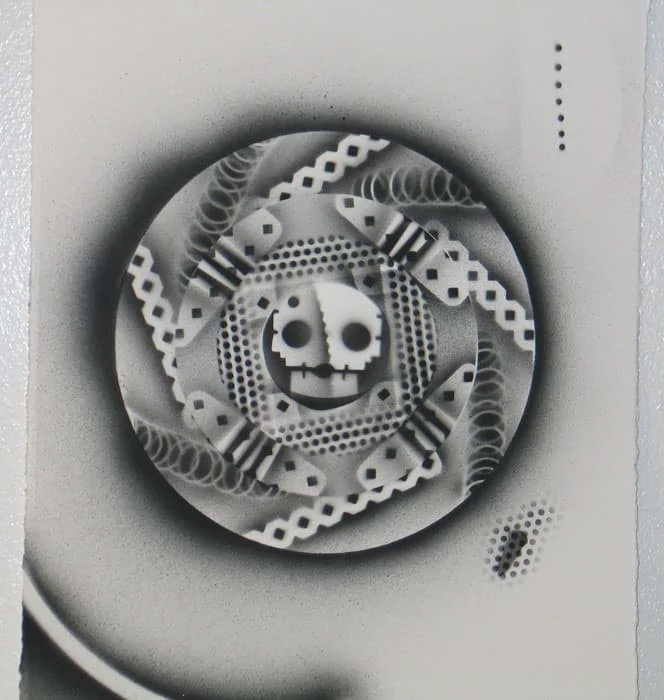
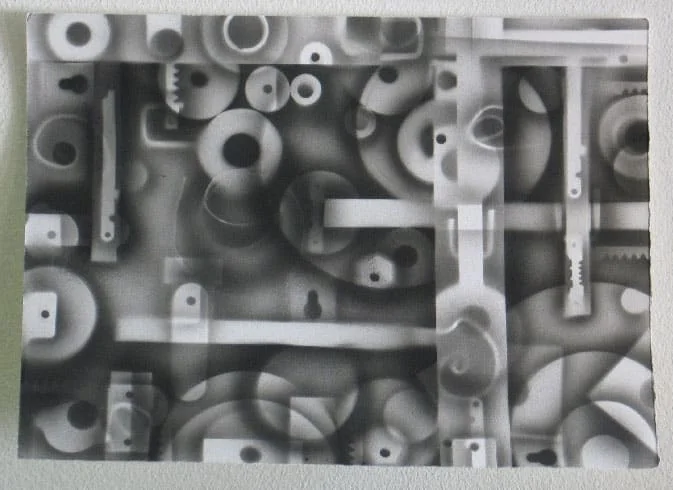
I have a studio at MANA Contemporary where I hang new my works. People can come to visit by appointment or at MANA openings which are every other month. Works are available for sale and I live to make deals.
You can find my works on many sites, just Google my name. I’m also in Google Images and White Columns (Frank Gavere, MFA.).
My Airbrush Tools and Equipment
Airbrushes and Compressors
I have many airbrushes and air-guns. Here is what I use: Iwata, Efbe, Paasche and others (whatever was interesting that I came across).
I have 3 compressors, 2 are nail-gun models, and the other I made up is a Paasche 1/4 piston, with a little tank. I have lots of media I paint with and use in imaging like stainless steel, brass or aluminum. I also use plastic, and paper.
Paints and Materials
My paint is Acrylic emulsion and I use Goldens, WN or Rowney, depends on the color. My carbon black is usually Fe2-O3. I understand archival processes and I know paper. Most paper is ALL cotton, sometimes I gesso it. It’s often size 22X30, or a bit smaller.
When I’m working I will change nozzles if they clog (that’s just 40 seconds). Paint time is too important to be limited by gear.
I have several igloo coolers where I keep the paints.
Workspace and Safety Practices
If I paint inside I use a 3M welder’s mask and also I use surgical gloves (usually on both hands). In 2.5 hours I will use less than 1.5 inches of paint in the cup. Clean up is about 30 minutes, average.
That’s it.
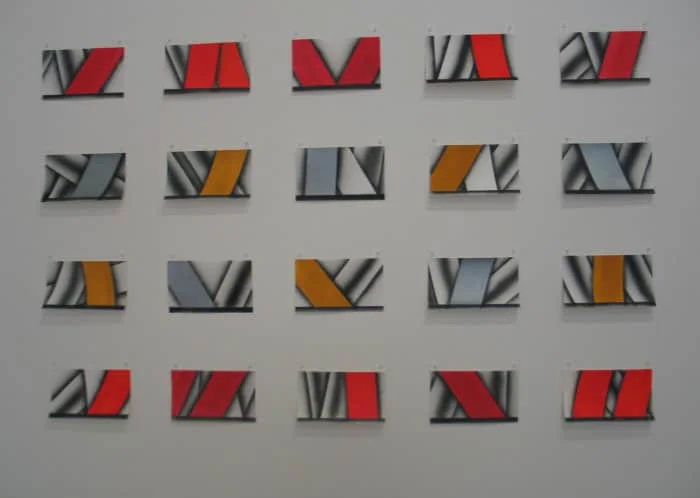
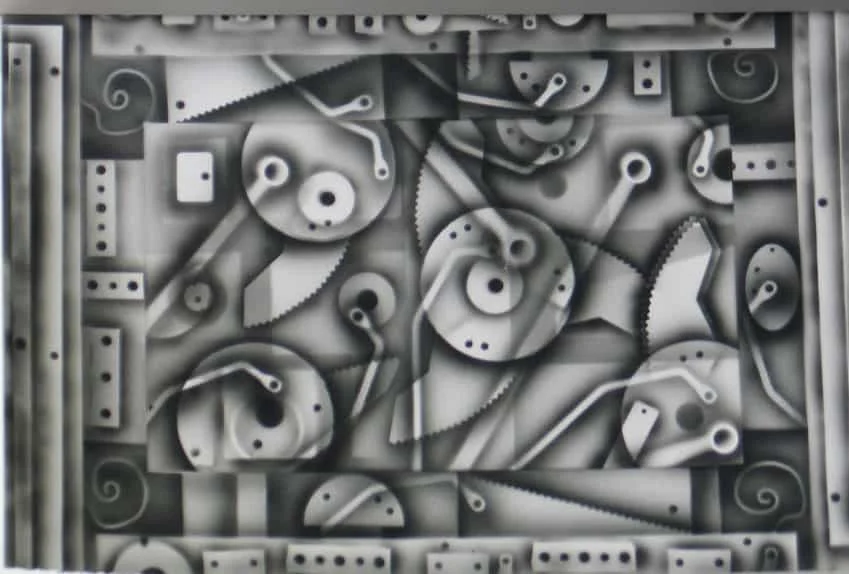
If you like Franks art then spare a moment to click like or tweet. I will appreciate it. Cheers.
How This Is Done
Seeing Frank’s work and wondering where to start? How to choose an airbrush gun explains what the types actually do, and the best airbrush guide sorts the current field by budget. More work in the gallery.