
Opposite of: Opacity
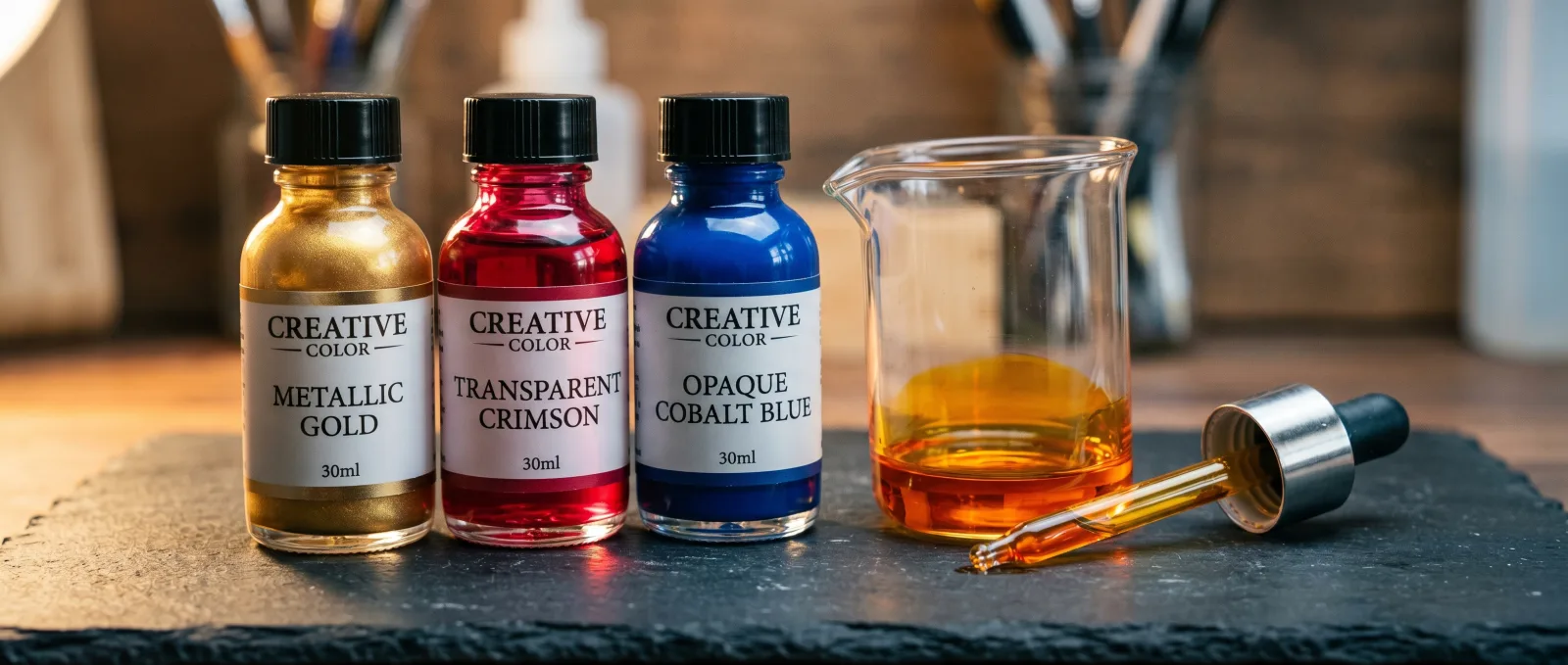
Transparency (in paint) refers to how much a paint layer allows the color beneath it to show through. A highly transparent paint applied over another color doesn’t hide it, instead, the two colors mix visually, often producing a richer, more complex result than either color alone.
Why airbrush artists value transparency: Thin, transparent layers are the building blocks of realistic gradient work, skin tone painting, and depth effects. Airbrushing naturally lends itself to transparent layering because the fine mist allows you to build color gradually.
Glazing: The technique of applying a transparent color over a dry layer to shift its hue is called glazing. A warm transparent orange over a grey shadow, for example, produces a rich warm shadow rather than a muddy color.
Pigment transparency is fixed: Some pigments are inherently transparent (phthalo blue, quinacridone red, dioxazine purple). Others are inherently opaque (titanium white, cadmium red). You can make an opaque paint more transparent by thinning, but you can’t fundamentally change a pigment’s inherent character.
Related: Opacity · Pigment · Gradient · Reducer
Read next: Airbrush Paint Types Compared: Which to Buy